
Dubbo Base Hospital: What Healthcare Workers Should Know Before Arriving
Dubbo Base Hospital serves the Orana region — a geographic catchment covering thousands of square kilometres of western New South Wales — with a scope of practice broader than most metropolitan facilities provide. The hospital handles emergency, surgical, medical, maternity, mental health, and allied health services for a population that includes the city's 40,000 residents, the surrounding pastoral communities, the Indigenous communities across the region, and the highway travellers whose medical events occur hundreds of kilometres from their home health services.
The Clinical Environment
The patient population is more diverse than metropolitan hospitals typically serve. Farming families whose nearest alternative hospital may be three hours away present with conditions that have progressed further than they would in a city where the GP is a twenty-minute drive. Indigenous patients bring health profiles that reflect the specific health challenges and the cultural considerations that culturally safe care requires. Highway trauma arrives with the unpredictability and the severity that high-speed rural road incidents produce. The range of presentations in a single shift — paediatric, geriatric, trauma, medical, mental health — builds clinical breadth at a rate that metropolitan subspecialisation does not permit.
The clinical decision-making is more independent. The specialist backup that capital city hospitals access with a phone call may be hours away by retrieval flight, which means the clinician on shift makes decisions that metropolitan protocols would defer upward. This independence is challenging for clinicians accustomed to the safety net of immediate specialist consultation, and it is career-building for those who embrace it — the confidence that regional clinical decision-making develops is recognised and valued by employers for the rest of a career.
Accommodation and Daily Life
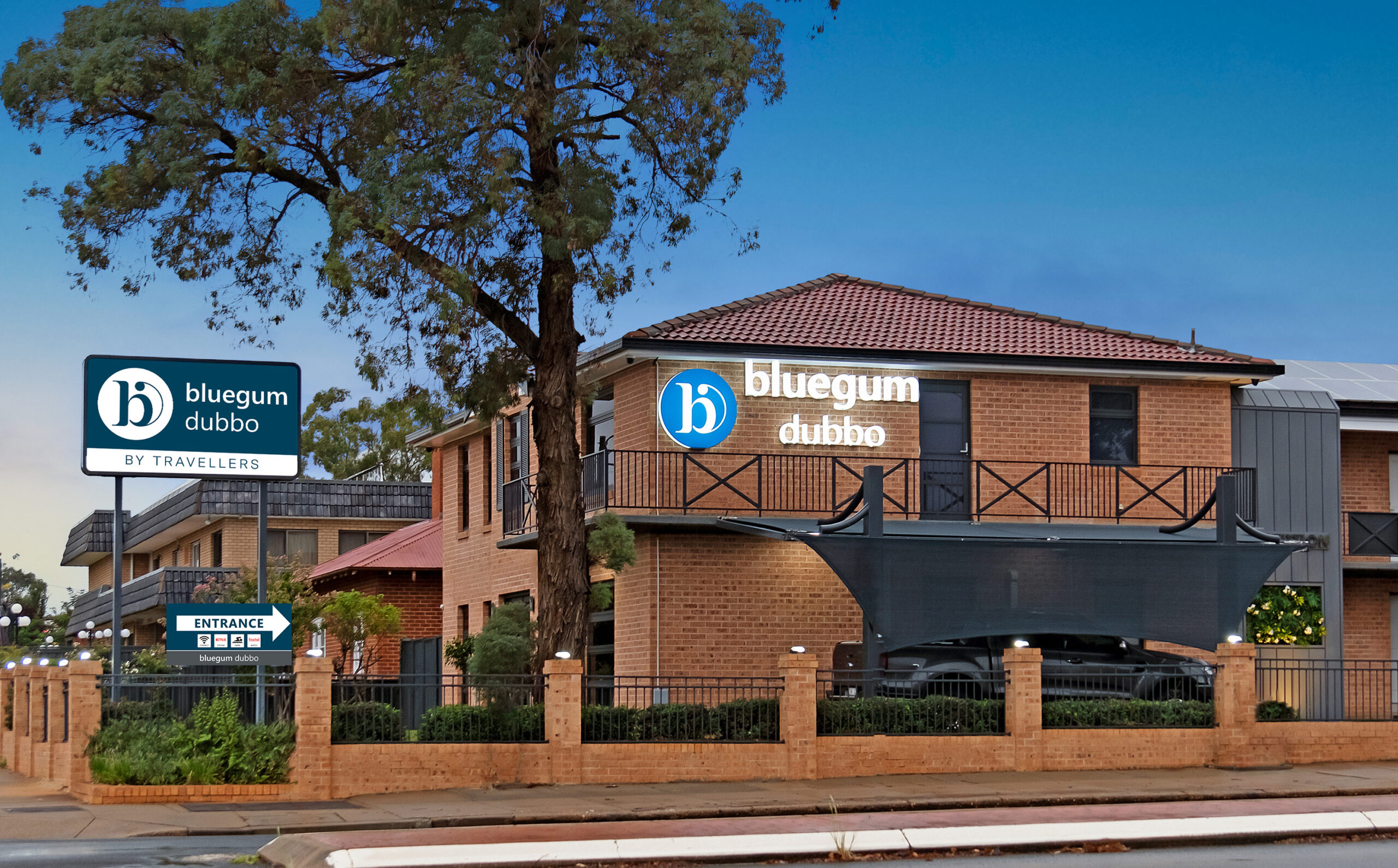
Self-contained accommodation close to the hospital with a kitchenette, air conditioning, and laundry service supports the shift-work lifestyle that healthcare placements demand. The kitchenette provides the 4:15am breakfast before the early shift and the 10:30pm dinner after the late shift that no restaurant serves. The air conditioning provides the sleep quality that Dubbo's climate extremes demand and that recovery from twelve-hour shifts requires. Weekly rates make the accommodation financially sustainable across multi-week placements. Establish the domestic routine on day one: grocery shop, laundry schedule, exercise routine on the Macquarie River path. The routine sustains wellbeing across the placement and prevents the deterioration that unstructured evenings and convenience-food diets produce over weeks.
Beyond the Hospital
Engage with the town. The zoo fills a full day off. The Mudgee wine region provides the weekend escape that every healthcare worker deserves after five consecutive shifts. The river walk provides daily decompression. The colleagues you meet become professional connections that persist after the placement ends. Dubbo is not a hardship posting — it is a regional city with genuine amenity, and the healthcare workers who treat the placement as an experience rather than an obligation leave with both professional development and personal memories that the metropolitan routine does not generate.